Home Renovation vs. Building New: Key Takeaways
- The costs of renovation are often revealed gradually as hidden expenses surface and timelines shift. Building new a new family home typically offers more upfront clarity and predictability
- Maintenance, energy efficiency, and system upgrades all impact the total cost of ownership over time, often dwarfing the initial outlay
- Your home should support how you live today and tomorrow. Whether it’s layout, space, or functionality, the right choice is the one that aligns with your evolving lifestyle
- With the right guidance, the decision becomes clearer. Understanding your options and having a structured, supportive process can help you move forward with more confidence and less uncertainty
At some point, many homeowners find themselves asking the same question:
Do we keep improving the home we have or start fresh with something new?
What begins as a simple home renovation can quickly turn into a bigger decision, one that involves cost, time, and how well your home truly supports your day-to-day life.
According to industry estimates, renovation projects often exceed initial budgets by 10–20% or more due to unforeseen issues.
In 2026, making the decision feels more complex than ever. Rising renovation costs and unexpected challenges are leading many homeowners to look beyond the initial price and consider the full picture, including long-term value and overall experience.
At Evergreene Homes, we take a deliberate, thoughtful approach to help homeowners navigate that decision with confidence.
In this guide, we’ll walk through:
- The true cost of renovating
- The hidden expenses many homeowners overlook
- What it takes to build a new home
- How the long-term costs compare
- And how to decide which path fits your life best
Average Home Renovation Costs in 2026
Home renovation costs can vary widely, but having a general understanding of current ranges can help set realistic expectations before starting a project.
While every home is different, here are some common home renovation costs homeowners are seeing in 2026:
- Kitchen renovation: $14,000 – $40,000+
- Bathroom renovation: $8,000 – $35,000+
- Full home renovation: $100,000 – $300,000+
- Home additions/extensions: $150 – $300+ per square foot
What Impacts Home Renovation Costs
The final cost of a home renovation depends on several key factors, many of which aren’t fully visible at the start:
- Scope of work: cosmetic updates vs. structural changes
- Age of the home: older homes often require more extensive updates
- Structural or system upgrades: these can include electrical, plumbing, or foundation work
These variables can shift a project quickly from a simple update to a much larger investment.
A Note on Expectations
One of the most common challenges homeowners face is that initial estimates don’t always reflect final costs. As projects progress and hidden issues surface, budgets often need to adjust, sometimes significantly.
Understanding that possibility upfront can help you plan more confidently and evaluate whether home renovation is the right path for your long-term goals.
The Hidden Costs of Home Renovation
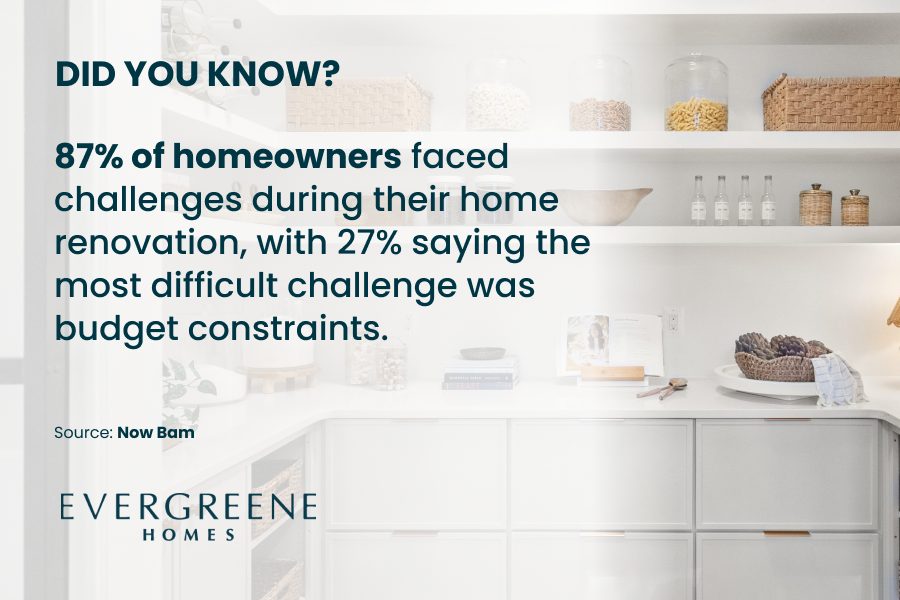
This is often the point where home renovation plans begin to shift. What starts as a straightforward update can uncover additional layers of work and cost that weren’t part of the original plan.
Common Hidden Costs
As projects move forward, it’s not uncommon for underlying issues to surface, especially in older homes:
- Structural concerns such as foundation repairs or framing adjustments
- Outdated electrical or plumbing systems that need to be brought up to current standards
- Permits and inspections, which can add both time and expense
- Temporary housing or storage if the home becomes unlivable during home renovations
- Timeline delays, often caused by unexpected discoveries or material availability
The Broader Impact on Your Experience
Beyond the financial side, unexpected factors can affect how the home renovation process feels day to day.
It’s not unusual for homeowners to experience:
- Increased stress as decisions need to be made quickly
- Budget adjustments that stretch beyond initial expectations
- Decision fatigue from managing multiple moving parts at once
What This Means for Your Decision
Home renovation can still be the right choice in certain situations, but the level of uncertainty is often underestimated. Understanding these variables upfront allows you to weigh your options more clearly, not just in terms of cost, but in terms of time, complexity, and overall experience.
For many homeowners, this is the moment where the conversation naturally expands from “What will this cost?” to “What’s the most manageable and predictable path forward?”
What It Costs to Build a New Home
Building a new home comes with its own investment, but it also offers something many homeowners are looking for: a clearer understanding of both upfront costs and long-term value.
Instead of uncovering expenses along the way, the process is typically more structured, making it easier to see how your budget is allocated from the beginning.
Key Cost Considerations
The cost to build a new home can vary based on location, design, and level of customization, but it’s often evaluated in terms of cost per square foot and key project components.
In many markets, homeowners may see ranges such as:
- Cost per square foot: approximately $150 – $300 or more depending on finishes and complexity
- Land (if applicable): varies based on location and availability
- Design and selections: layout, structural options, and interior finishes
- Site preparation: utilities, grading, and foundational work
While these numbers can shift, what’s important is that each component is typically defined early in the process, helping reduce unexpected cost changes later on.
What You’re Investing In
With new construction homes, you’re starting with a clean slate. Everything is designed and built to current standards rather than updated over time. That means your investment goes toward a home that reflects how people live today, from layout to functionality.
Instead of working around existing limitations, you’re able to benefit from modern floor plans, improved materials, and systems that are built for long-term performance. For many homeowners, that shift from “fixing” to “building intentionally” becomes an important part of the value.
Looking Beyond the Initial Cost
For many homeowners, the most important comparison isn’t just the upfront price, it’s the total cost of ownership over time. A newly built home often brings fewer unexpected repairs, lower maintenance needs, and improved energy efficiency, all of which can contribute to lower and more predictable expenses in the years ahead.
While no option is without cost, building new can offer a level of clarity and stability that’s harder to achieve with home renovation, helping homeowners make decisions with greater confidence.
Home Renovation vs. New Construction: Long-Term Financial Comparison
When comparing home renovation vs. new construction cost, it’s easy to focus on the upfront numbers. But for many homeowners, the more important question is what each option looks like over time, including maintenance, efficiency, and overall predictability.
Looking at the full picture can help you make a more informed and confident decision.
Side-by-Side Comparison
| Renovation | New Construction |
| Lower initial scope (in some cases) | Higher upfront clarity |
| Hidden costs more common | More predictable pricing |
| Ongoing maintenance required | Lower maintenance in early years |
| Older systems may remain | Brand-new systems throughout |
| Lower energy efficiency | Energy-efficient construction and savings |
| Layout limitations or compromises | Designed for modern living |
Looking at the Bigger Picture
While renovation may appear more cost-effective at first, the long-term financial impact often tells a different story. Ongoing repairs, outdated systems, and lower energy efficiency can add up over time, both financially and in terms of day-to-day convenience.
Newly constructed homes offer a more predictable starting point. With modern materials, updated systems, and energy-efficient design, many homeowners find that their costs are easier to anticipate and manage in the years ahead.
Lifestyle Considerations: Which Option Fits You?
Cost matters, but how you live in your home matters just as much. The right decision often comes down to whether your current space can realistically support your lifestyle, or if a fresh start would better align with how your needs are evolving.
1. Growing Families Needing Modern Layouts
As families grow, so do the demands on a home. Open living areas, better storage, and a more functional flow can make everyday routines feel smoother, something older layouts don’t always support without significant changes.
2. Multigenerational Living Needs
For households bringing multiple generations under one roof, the balance between connection and privacy becomes essential. Thoughtful layouts with separate living areas can help create that balance in a way that home renovation may not always achieve.
3. Downsizing or Right-Sizing
For others, the goal isn’t more space, but the right amount of it. Simplified layouts and lower-maintenance homes can make day-to-day living easier and more manageable over time.
4. Customization vs Compromise
Home renovation often involves working within existing limitations, while building new allows for a more intentional approach. For many homeowners, the decision comes down to whether they want to adapt their home or design it around how they truly want to live.
5. Location Considerations
In some cases, the biggest factor isn’t the home itself, but where it’s located. Renovating allows you to stay rooted, while building a new home may open the door to communities that better match your lifestyle, commute, or long-term plans.
A Better Way Forward for Your Home with Evergreene Homes
Deciding whether to renovate or build new isn’t always straightforward. Both options come with their own considerations, and the right choice often depends on your home, your timeline, and how you want to live moving forward.
For some homeowners, renovating offers a way to stay rooted while making meaningful updates. For others, building new provides the opportunity to start fresh, with a home designed intentionally for today’s needs and tomorrow’s plans.
What matters most is having a clear understanding of the full picture. Not just the initial cost, but the long-term value, the level of predictability, and how the process will feel along the way.
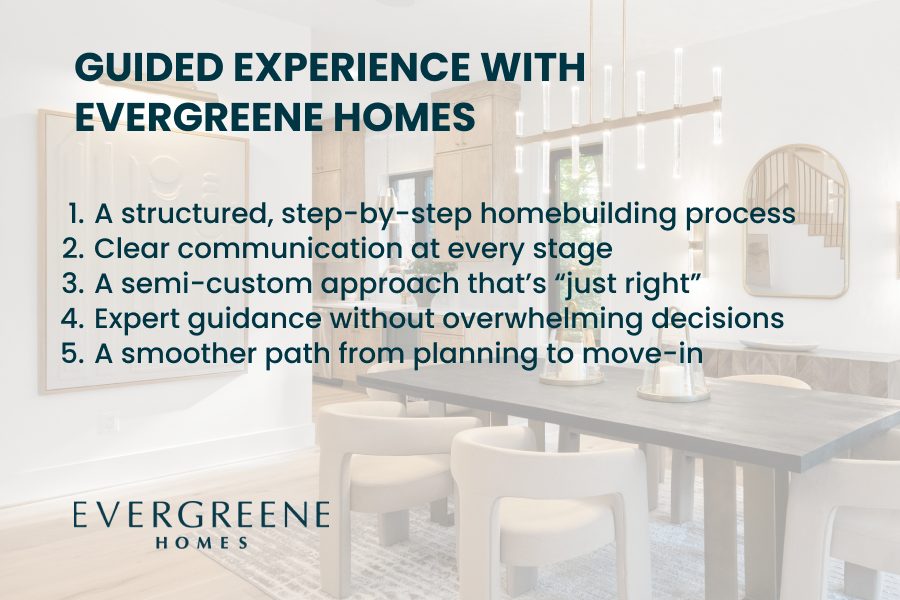
At Evergreene Homes, we believe there’s a better way to approach that decision. Through a guided, relationship-driven process and a semi-custom approach that’s “just right,” we help homeowners navigate their options with clarity and confidence, without unnecessary complexity.
Because in the end, this isn’t just a financial decision. It’s about creating a home that supports your life, your priorities, and the way you want to live for years to come.
Home Renovation vs. Building a New Home: FAQs
Is it cheaper to renovate or build a new home in 2026?
It depends on the scope of the home renovation and the condition of your current home. While smaller updates may cost less upfront, larger home renovations often involve hidden expenses that can increase the total investment. Building a new home may have a higher initial cost, but it can offer more predictable pricing and lower maintenance over time.
What is the average cost of home renovation?
The average cost to renovate a home can range widely, often from $100,000 to $300,000 or more depending on the size of the home, the extent of updates, and any structural work required. Kitchens, bathrooms, and additions can significantly impact the overall cost.
What are the most common hidden home renovation costs?
Common unexpected home renovation costs include structural repairs, outdated electrical or plumbing systems, permit fees, and delays due to unforeseen issues. These factors can increase both the timeline and the final budget beyond initial estimates.
How much does it cost to build a new home per square foot?
The cost to build a new home per square foot can vary based on location, materials, and design choices. In many markets, ranges may fall between $150 and $300 or more per square foot, depending on the level of customization and finishes selected.
Is building a new home more energy efficient than renovating?
In many cases, yes. New construction homes are built with modern materials, updated insulation, and energy-efficient systems that can help reduce long-term utility costs and improve overall comfort compared to older homes.
When does it make more sense to build new instead of renovate?
Building new may be a better option when your current home requires major structural updates, the layout no longer fits your lifestyle, or renovation costs begin to approach the cost of new construction. It can also be a good choice for homeowners seeking a more predictable process.
Are new construction homes easier to maintain?
New construction homes typically require less maintenance in the early years because all systems, materials, and appliances are brand new. This can help reduce unexpected repairs and provide more confidence in long-term planning.